
Spinal Decompression Therapy in West Lafayette & Lafayette, IN
What is Spinal Compression?
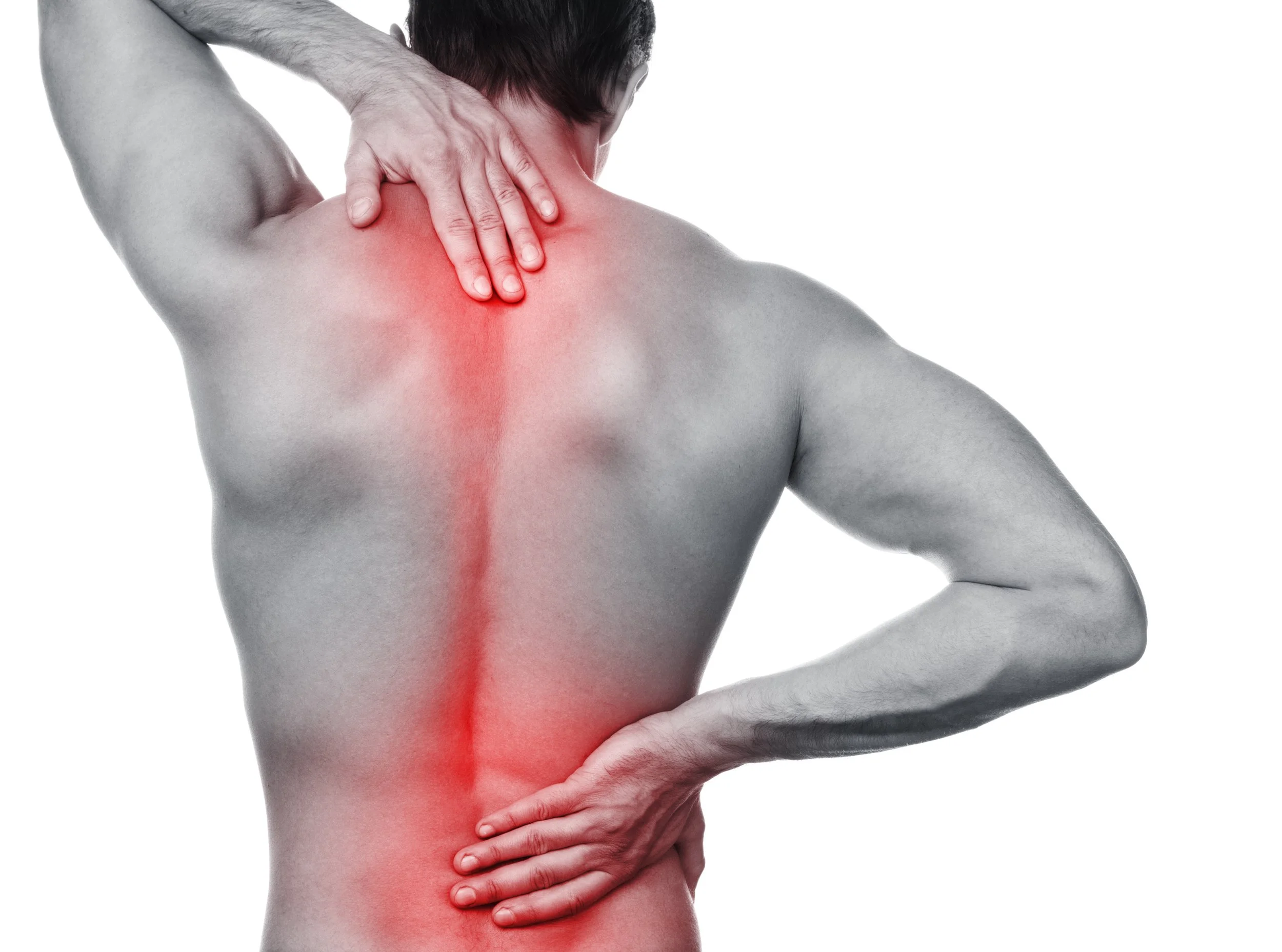
Radiating pain from the spine occurs when nerves originating in the spinal cord or its nerve roots are compressed, irritated, or inflamed. This can happen due to bulging discs, herniated discs, spinal stenosis, degenerative disc disease, or spinal injuries. The affected nerve roots transmit pain signals along their pathway, causing pain that travels from the spine down the arms or legs. Conditions like sciatica are common examples where nerve irritation in the lower spine results in radiating leg pain. Inflammation or nerve impingement disrupts normal nerve function, leading to symptoms such as sharp, burning, or tingling pain that follows the distribution of the affected nerve as well as weakness in the arms or legs. If left unchecked it can be a cause of neuropathy.
Symptoms of Spinal Compression
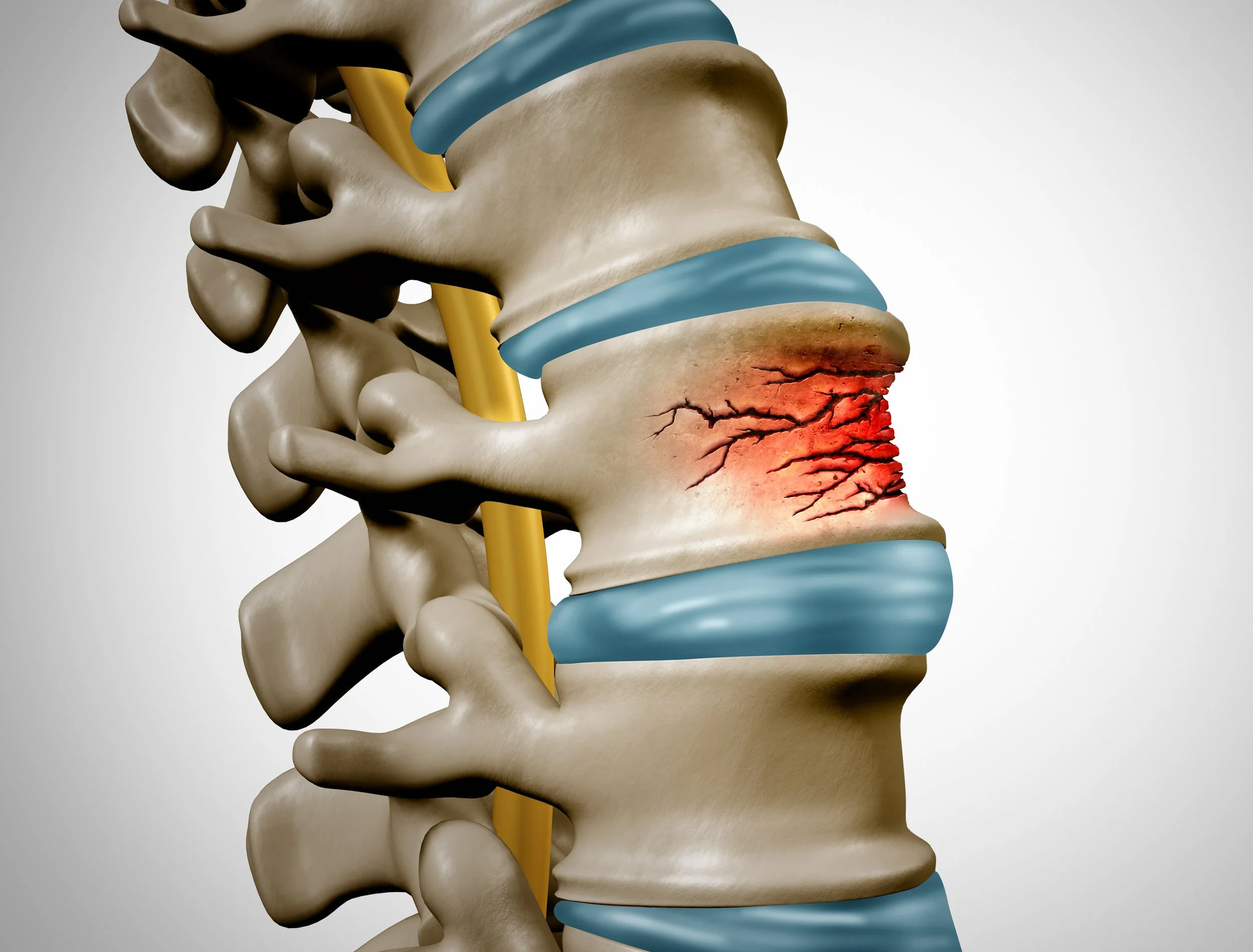
A compressed nerve can cause a variety of symptoms depending on the location and severity of the compression. Common symptoms include:
Pain: Sharp, burning, or aching pain at the site of compression or radiating along the nerve pathway.
Numbness: Reduced or complete loss of sensation in the area served by the affected nerve.
Tingling or pins and needles: A prickling or “falling asleep” sensation.
Weakness: Muscle weakness or difficulty controlling muscles controlled by the nerve.
Muscle atrophy: In chronic cases, muscles may shrink due to prolonged nerve impairment.
Reduced reflexes: Decreased or absent reflex responses in affected areas.
Sensitivity to touch: Increased sensitivity or discomfort with light touch.
Symptoms may worsen with certain movements or positions that further compress the nerve. If nerve compression persists, it may lead to permanent nerve damage.
How Does Spinal Decompression Work?
Spinal decompression is a non-surgical therapy aimed at relieving pressure on the spinal discs and nerves. It involves gently stretching the spine using a traction table or similar motorized device, which creates negative pressure within the disc. This negative pressure can help retract herniated or bulging discs, promote the flow of oxygen, water, and nutrient-rich fluids into the discs, and encourage healing. Spinal decompression is commonly used to treat conditions such as herniated discs, sciatica, degenerative disc disease, and pinched nerves, providing pain relief and improved mobility without the need for surgery that can save the patient time off of work for healing and rehab, unsightly scars, and money.