

Neuropathy Treatment in West Lafayette & Lafayette, IN
What is Peripheral Neuropathy?
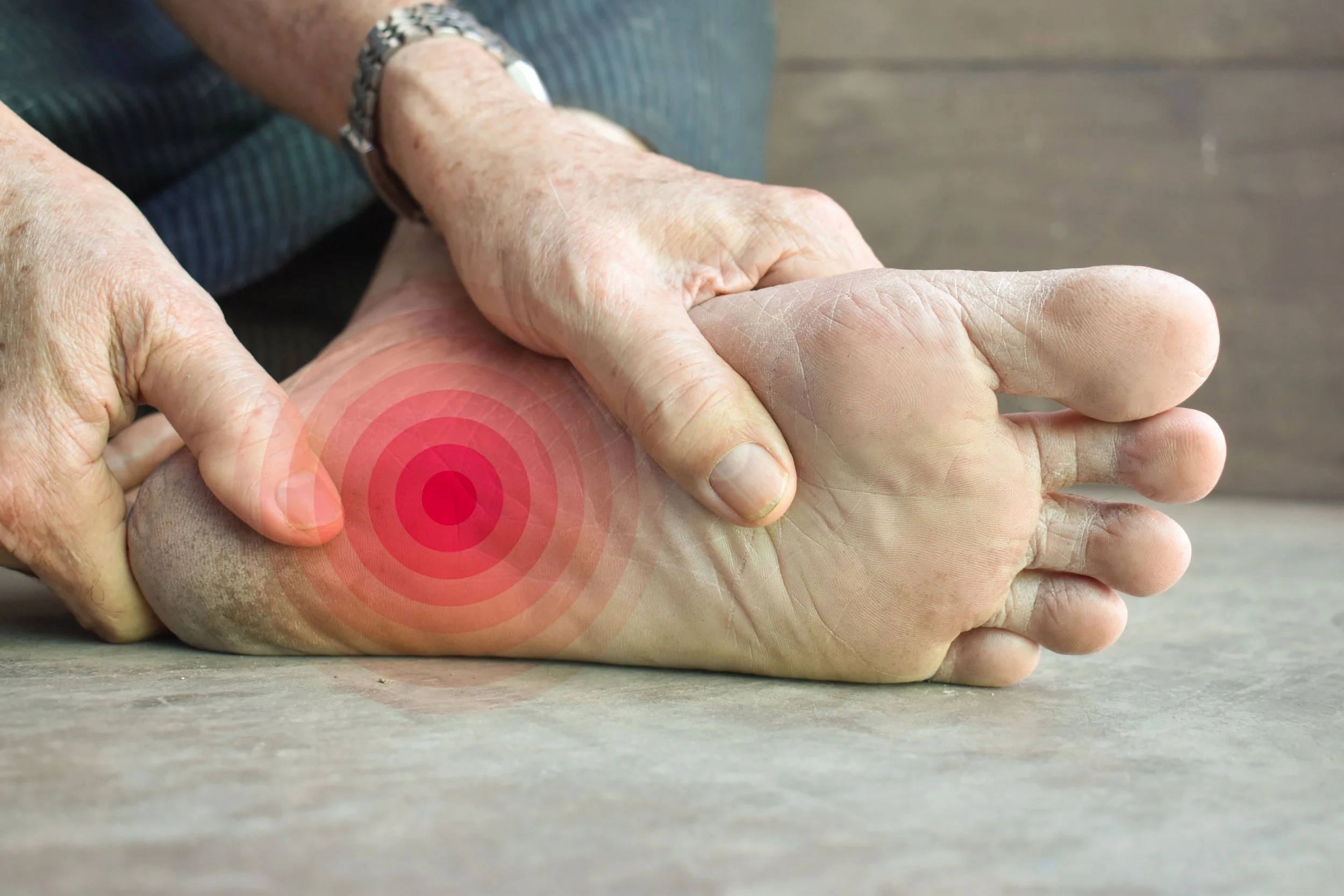
If you’re suffering from numbness, tingling, burning, or loss of sensation in your feet or hands, our clinic offers advanced neuropathy treatment in West Lafayette and Lafayette, Indiana. We focus on identifying the underlying cause of peripheral neuropathy and creating customized, non-invasive treatment plans.
Neuropathy is caused by damage to the peripheral nerves, which can result from a variety of factors. Common causes include diabetes, which leads to diabetic neuropathy due to high blood sugar levels damaging nerve fibers. Other causes include physical injury or trauma, infections such as shingles or Lyme disease, exposure to toxins or certain medications, autoimmune diseases like lupus or rheumatoid arthritis, and vitamin deficiencies, particularly B vitamins. Chronic alcohol abuse and inherited genetic disorders can also contribute to neuropathy. Identifying the underlying cause is crucial for effective treatment and management.
Neuropathy can also be caused by a spinal disc injury. The team at Realign and Relax can also treat spinal disc compressions, bulges, herniations, and extrusions using spinal decompression.
A Whole-Body Approach to Care
At Realign & Relax, care is focused on identifying factors that may be contributing to nerve irritation or dysfunction—particularly when symptoms are related to spinal alignment or disc involvement.
For patients whose neuropathy symptoms may be associated with spinal disc compression, treatment options may include chiropractic care and spinal decompression techniques designed to reduce pressure on affected nerves and support healthier movement and function. The goal is not to mask symptoms, but to address mechanical contributors that may be impacting nerve health.
Because neuropathy can have many causes, care plans are individualized and may be used alongside guidance from other healthcare providers as part of a broader, coordinated approach.
Conditions We Treat
Diabetic neuropathy
Idiopathic neuropathy
Chemotherapy-induced neuropathy
Nerve pain, numbness, tingling, burning
Our Neuropathy Treatment Approach
Neuropathy can affect everyone differently. That’s why we will start your care with a consultation that depicts how neuropathy has affected you. There will also be a thermography scan to show just how poor the circulation is in your hands and/or feet. The exam will conclude with a 16 point sensory and metabolic exam. This information will be crucial to determine the extent of damage to the nerves and circulation to your limbs.
Our comprehensive program for healing includes advanced therapies to put your body in the best state for healing.
Infrared Light Therapy: Low-level light therapy (LLLT) enhances blood flow and promotes nerve repair. This therapy has shown promising results by stimulating blood vessel growth, essential for supplying nutrients to damaged nerves.
Electrical Stimulation Therapy: Using electrical impulses, we help retrain nerves to function correctly and support regeneration. This technique, widely used in oncology centers, relieves nerve damage and improves overall function.
Holistic Nutritional Support: Nutrition plays a crucial role in nerve health. Our customized plans focus on reducing inflammation and increasing blood flow with bioavailable nitric oxide, supporting natural neural recovery.
In-Clinic Treatment and Online Education: Weekly in-clinic sessions provide care and our online resources offer additional support giving you the tools you need to manage your neuropathy long term.

-
Contrary to popular belief, yes neuropathy can be reversed, but not with popular prescription medications that try to reduce symptoms.
-
This will vary from person to person and the extent of damage that has already been done. A typical treatment plan may last 12 to 18 months, but symptoms should reduce before the treatment plan has concluded. It’s important to remember that your neuropathy didn’t happen overnight and healing won’t either.
-
I too have told patients in the past that it is best to learn to manage the symptoms of neuropathy. However, with advances in technology and understanding of how neuropathy progresses it is possible to reverse peripheral neuropathy if it hasn’t passed the point of no return.
Frequently Asked Questions
Understanding the Impact of Neuropathy
Neuropathy can affect far more than physical comfort. Persistent pain, numbness, or balance issues can interfere with daily activities, limit independence, and increase the risk of falls or injury. Over time, untreated nerve issues may contribute to more serious complications, particularly in individuals with diabetes or circulatory concerns.
Early evaluation and appropriate care can play an important role in managing symptoms and maintaining quality of life.
If you’re experiencing symptoms of neuropathy—or have questions about whether spinal or disc-related issues may be contributing—help is available.
A Personal Perspective
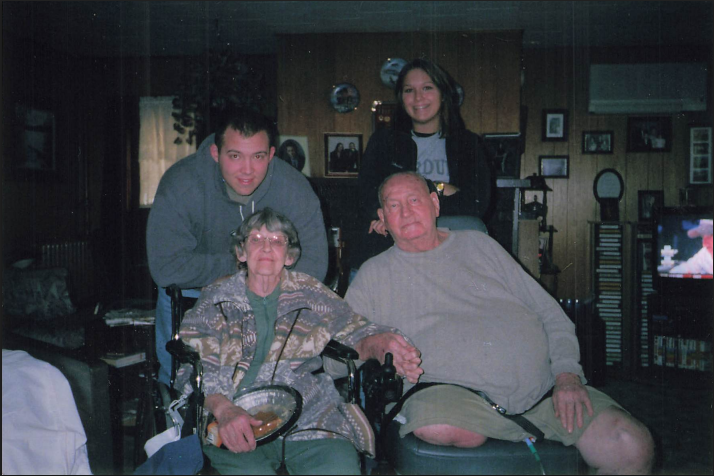
Dr. Rusk has seen firsthand how deeply neuropathy can affect not only patients, but the people who care about them.
A close family member experienced progressive neuropathy related to Type 2 diabetes, beginning with loss of sensation and balance and eventually leading to significant mobility challenges. As the condition advanced, it took away many of the activities he once loved and led to increasing dependence on others. That experience reinforced the importance of early attention, proactive care, and addressing underlying contributors whenever possible.
It’s a perspective that continues to shape how care is approached at Realign & Relax—with empathy, respect, and an emphasis on helping patients preserve function and independence.